
Drew Schröder · 29 September 2026
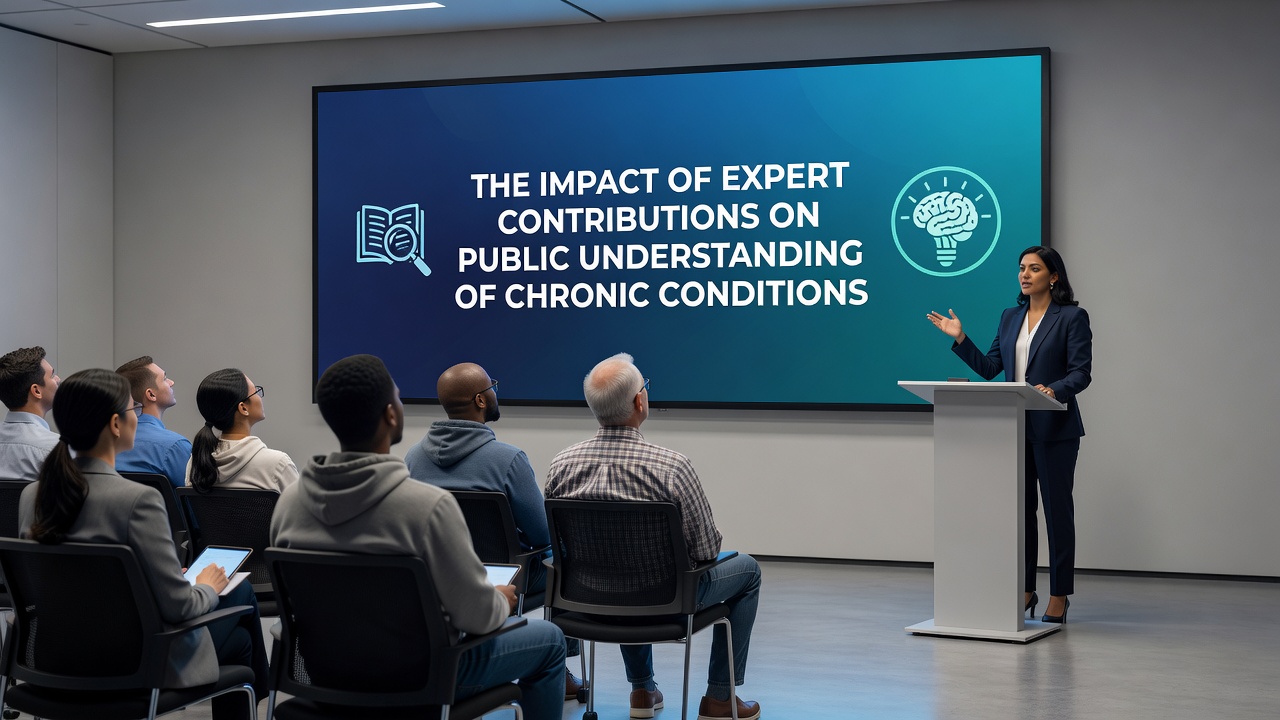
The Impact of Expert Contributions on Public Understanding of Chronic Conditions
Chronic conditions such as diabetes, heart disease, and arthritis affect millions worldwide, and expert input shapes how the public learns about these illnesses through articles, reviews, and educational resources. Researchers and clinicians provide structured oversight that turns raw medical data into accessible explanations, which helps readers grasp symptoms, treatments, and prevention strategies without needing advanced degrees. This process builds trust in health information while reducing the spread of incomplete or misleading details that often circulate online.
Expert Review Processes and Their Reach
Medical professionals examine content for accuracy before publication, checking statistics against peer-reviewed studies and updating recommendations as new evidence emerges. Organizations integrate these reviews through multi-step workflows that include fact-checking sessions, source verification, and cross-references to government databases. Data from health agencies shows that articles with expert sign-off receive higher engagement rates and longer reading times compared to unvetted material, which leads to broader dissemination of reliable facts about managing long-term illnesses.
What's interesting is how these contributions extend beyond single articles. Experts often participate in webinars, podcast appearances, and community forums that coincide with awareness campaigns, and one notable example occurred when specialists updated guidance on rheumatoid arthritis management ahead of September 2026 initiatives aimed at improving early diagnosis rates across multiple countries.
Measurable Effects on Public Knowledge
Surveys conducted by public health bodies reveal steady gains in awareness after expert-reviewed materials appear. People report better understanding of risk factors for conditions like hypertension when they encounter content backed by endocrinologists or cardiologists, and this knowledge translates into higher rates of screening appointments. Studies from academic centers indicate that regions with strong expert involvement in online health platforms see measurable drops in preventable complications, since readers apply evidence-based advice on diet, exercise, and medication adherence.
Turns out the influence appears in unexpected places too. Community health workers cite expert-sourced articles when training local groups, which creates ripple effects that reach populations with limited access to specialists. Figures from the Centers for Disease Control and Prevention highlight how chronic disease education correlates with improved self-management scores, particularly when content includes clear explanations of lab results and lifestyle adjustments drawn from clinical practice.
Case Examples Across Different Conditions
Take the area of type 2 diabetes education. Endocrinologists contribute detailed sections on blood glucose monitoring and nutrition planning that appear in widely distributed guides, and follow-up analyses show participants in related programs achieve better A1C control. Similar patterns emerge with chronic obstructive pulmonary disease, where pulmonologists clarify inhaler techniques and trigger avoidance, leading to fewer emergency visits according to hospital records in several provinces.
Observers note that these outcomes strengthen when experts represent varied specialties and geographic backgrounds, which brings perspectives from both urban research hospitals and rural clinics into the same resources. The result is content that addresses cultural dietary preferences and regional healthcare access issues, making the material more applicable to diverse audiences.
Challenges in Scaling Expert Involvement
Despite clear benefits, maintaining consistent expert participation requires ongoing coordination between platforms and medical institutions. Time constraints on clinicians can delay updates, while rapid advances in treatments demand frequent revisions to existing materials. Research institutions in Canada and Australia have piloted collaborative networks that pair specialists with writers, which reduces bottlenecks and keeps information current without sacrificing depth.
Yet the landscape continues to evolve as digital tools allow experts to review content remotely and track reader questions in real time. This approach supports timely responses to emerging concerns, such as new medication interactions or vaccine considerations for immunocompromised individuals living with chronic illnesses.
Conclusion
Expert contributions form a backbone for credible public education on chronic conditions, turning complex research into practical guidance that supports informed decisions. Continued investment in these review systems aligns with broader public health goals, and data from sources like the World Health Organization underscores the value of accurate information in lowering disease burdens over time. As platforms refine their integration methods, the public gains clearer pathways to understanding and managing long-term health challenges.