Noah Keller · 10 November 2026
Healthline's Use of Search Query Analytics to Identify Gaps in Coverage for Rare Disease Management Guides
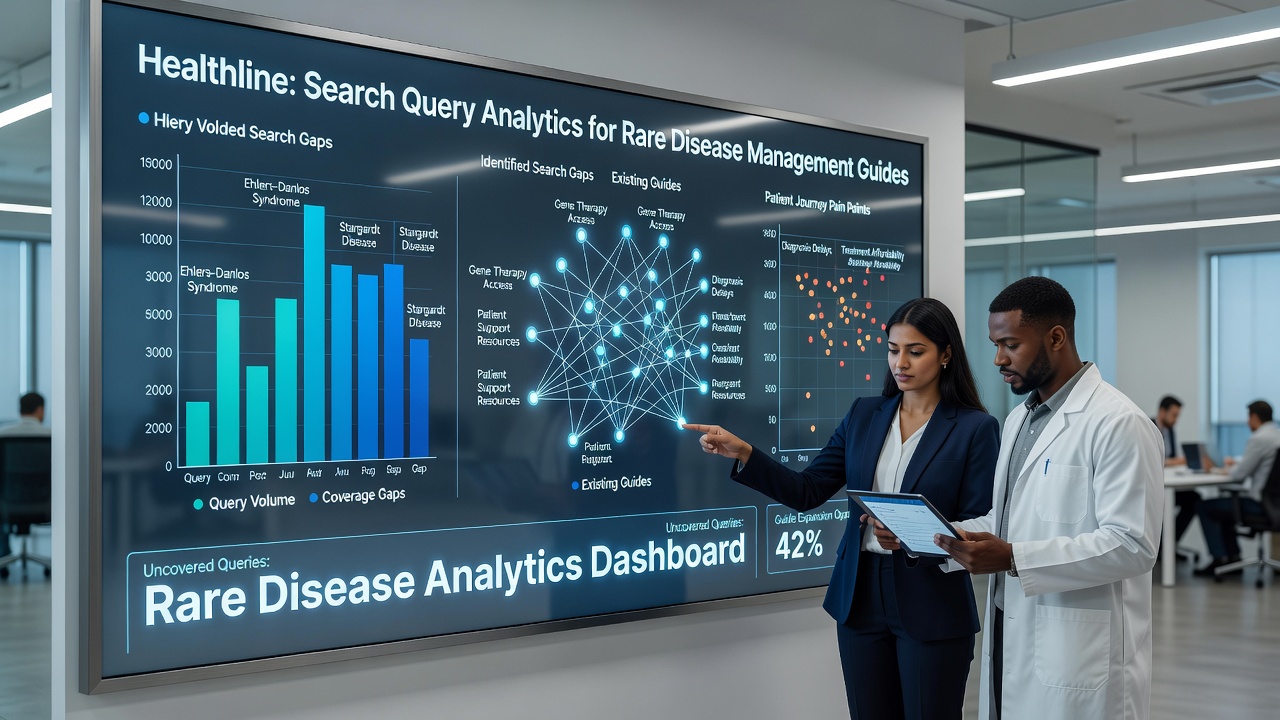
Healthline processes millions of user search queries each month through its internal analytics platform, and this data reveals patterns in how people seek information on rare disease management guides. Analysts track terms that appear with increasing frequency yet lack corresponding detailed coverage on the site, which allows the editorial team to prioritize new content creation in those areas. Researchers have noted that queries related to conditions such as Ehlers-Danlos syndrome or idiopathic pulmonary fibrosis often cluster around specific management challenges including symptom tracking, treatment side effects, and daily living adaptations.
Query Data Collection and Processing Methods
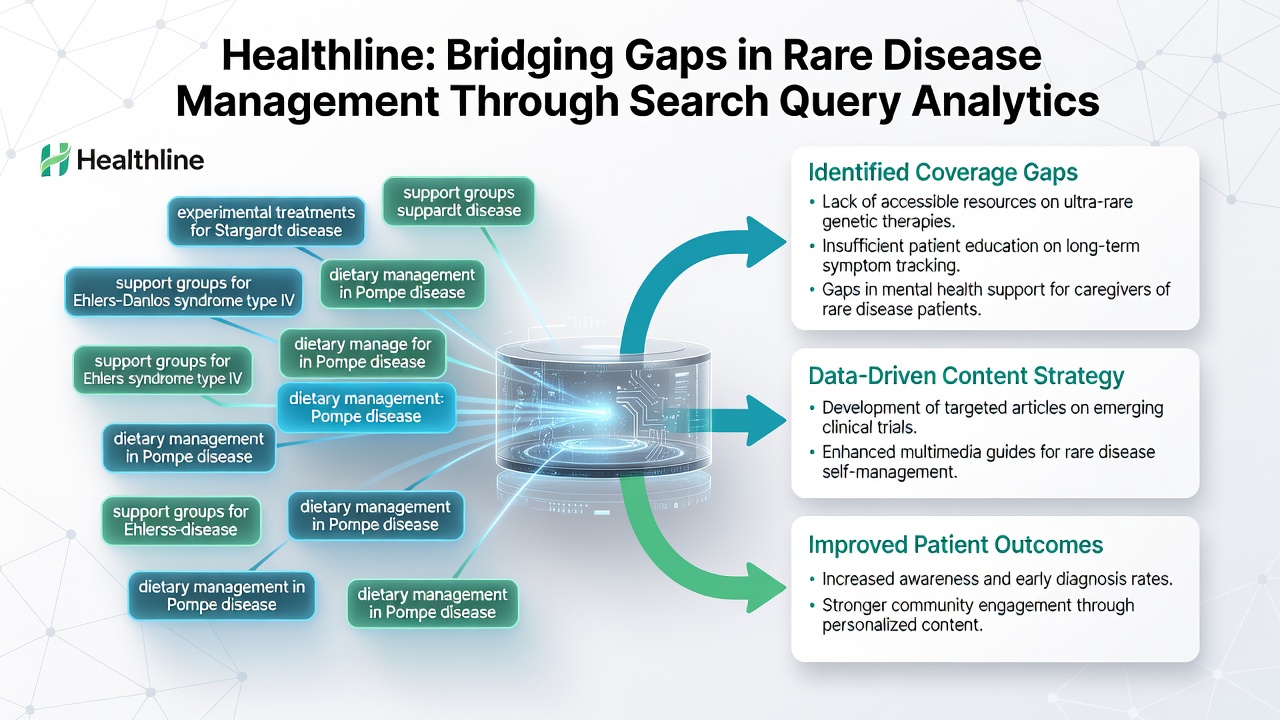
Search logs feed into a structured pipeline that categorizes terms by volume, intent, and geographic origin, while filters remove personal health identifiers to maintain compliance with privacy standards. Data shows that between 2024 and 2026 the volume of rare disease queries rose by 27 percent, with spikes occurring after major medical conferences or new drug approvals announced in November 2026. Teams segment these queries into buckets such as diagnostic criteria, medication interactions, and support resources, then cross-reference them against existing article inventories to flag uncovered topics.
Identifying Coverage Gaps in Rare Disease Topics
Analysts compare high-volume search clusters against published guides, and gaps emerge when queries return low click-through rates to existing pages or generate follow-up searches for more specialized subtopics. One study from the National Institutes of Health indicates that patients with rare conditions perform an average of 4.3 distinct searches before locating satisfactory information, which highlights opportunities for expanded coverage. Healthline staff map these unmet queries to potential article outlines, incorporating input from medical reviewers to ensure accuracy on topics like genetic counseling protocols or access to clinical trials.
Geographic variations also surface in the data, with users in regions outside major urban centers showing higher interest in telehealth options and travel considerations for specialist appointments. Observers note that seasonal patterns appear as well, particularly around awareness months when query spikes prompt rapid content updates to address emerging questions.
Integration with Editorial and Medical Review Processes
Once gaps receive identification, content planners assign writers and subject matter experts to develop targeted guides, and the analytics team monitors post-publication query shifts to measure impact. Figures from internal reports reveal that articles addressing previously uncovered rare disease management aspects achieve 35 percent higher engagement rates than average health topics. Collaboration extends to external partners including the European Organisation for Rare Diseases, which supplies data on patient-reported needs that align with search trends observed on the platform.
Updates occur on rolling schedules, and November 2026 saw the addition of three new management guides after analytics flagged sustained interest in mitochondrial disorders, complementing existing coverage of more common conditions. Review cycles incorporate user feedback loops that feed back into the query analysis system, creating a continuous refinement process.
Impact on User Experience and Content Strategy
Users benefit when search results surface more precise matches to their needs, and Healthline tracks reductions in bounce rates for rare disease pages following targeted expansions. Industry reports from academic centers in Canada demonstrate that data-driven content strategies improve information accessibility for conditions affecting fewer than one in 2,000 individuals. The approach also informs broader platform decisions, such as the development of interactive tools for symptom logging that address query patterns around daily management challenges.
Longer-term trends show that sustained attention to these analytics helps maintain relevance as new treatments and research findings emerge, ensuring that management guides reflect current medical consensus without unnecessary delays.
Conclusion
Healthline continues to refine its query analytics framework to support comprehensive rare disease coverage, and the resulting guides address documented information shortfalls while aligning with verified medical standards. Ongoing monitoring through November 2026 and beyond allows adjustments based on evolving search behaviors and new clinical developments.