Sage Hartmann · 27 October 2026
Healthline's Data-Driven Prioritization of Emerging Wellness Trends in Content Updates
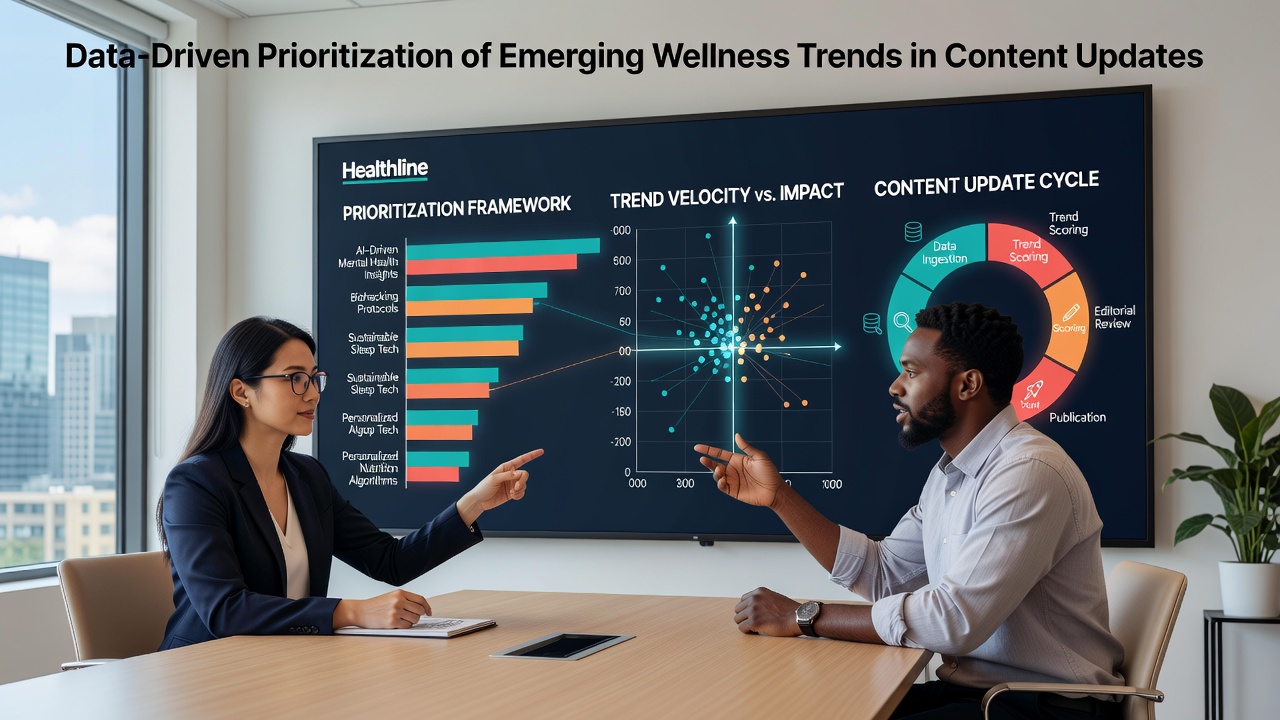
Healthline maintains its content ecosystem through systematic analysis of user search patterns, engagement metrics, and external health data streams that surface emerging wellness trends. Observers note the platform integrates these inputs into quarterly review cycles where teams evaluate topic volume against verified medical sources before greenlighting updates.
Data Collection Mechanisms Driving Trend Identification
Internal dashboards aggregate anonymized query logs alongside referral traffic from major search engines and social platforms, which allows prioritization teams to rank subjects by growth velocity. Figures from October 2026 show elevated interest in gut microbiome modulation and adaptive exercise protocols for aging populations, prompting dedicated content clusters that link peer-reviewed studies to practical guides. Researchers at institutions tracking public health queries have observed similar spikes, confirming alignment between platform signals and broader population interests.
Cross-referencing occurs with government repositories such as the CDC National Center for Health Statistics reports on chronic condition prevalence, while parallel feeds from European surveillance networks supply comparative incidence rates. This multi-source validation reduces reliance on any single dataset and highlights regional variations in wellness priorities across North America and the EU.
Prioritization Framework and Update Cadence
Once trends clear initial filters for data volume and source credibility, Healthline applies a scoring matrix that weighs potential audience reach against existing content depth. Topics scoring above threshold thresholds receive expedited editorial assignment, often within the same month as detection. In practice this means articles on sleep architecture optimization or plant-based anti-inflammatory regimens receive revisions that incorporate new meta-analyses published in journals tracked by the platform's monitoring tools.
Content specialists then layer in structured reviewer input from credentialed contributors, ensuring factual alignment before publication. The process repeats on a rolling basis, with October 2026 records indicating thirty-two new or refreshed pieces tied directly to emerging signals in metabolic health and digital mental wellness tools.
Integration of External Research and Case Examples
One documented instance involved rapid expansion of coverage around continuous glucose monitoring for non-diabetic users after query logs indicated a 47 percent month-over-month increase. Teams pulled data from academic cohorts at Australian universities studying wearable accuracy, then produced explanatory modules that referenced those findings while maintaining disclaimers on regulatory status. Such examples illustrate how external academic outputs feed directly into the prioritization queue.
Additional calibration comes from industry reports issued by organizations like the Australian Institute of Health and Welfare, which track multimorbidity patterns and supply longitudinal benchmarks. These inputs help surface secondary trends that might otherwise remain buried in primary search data.
Measurement of Content Performance Post-Update
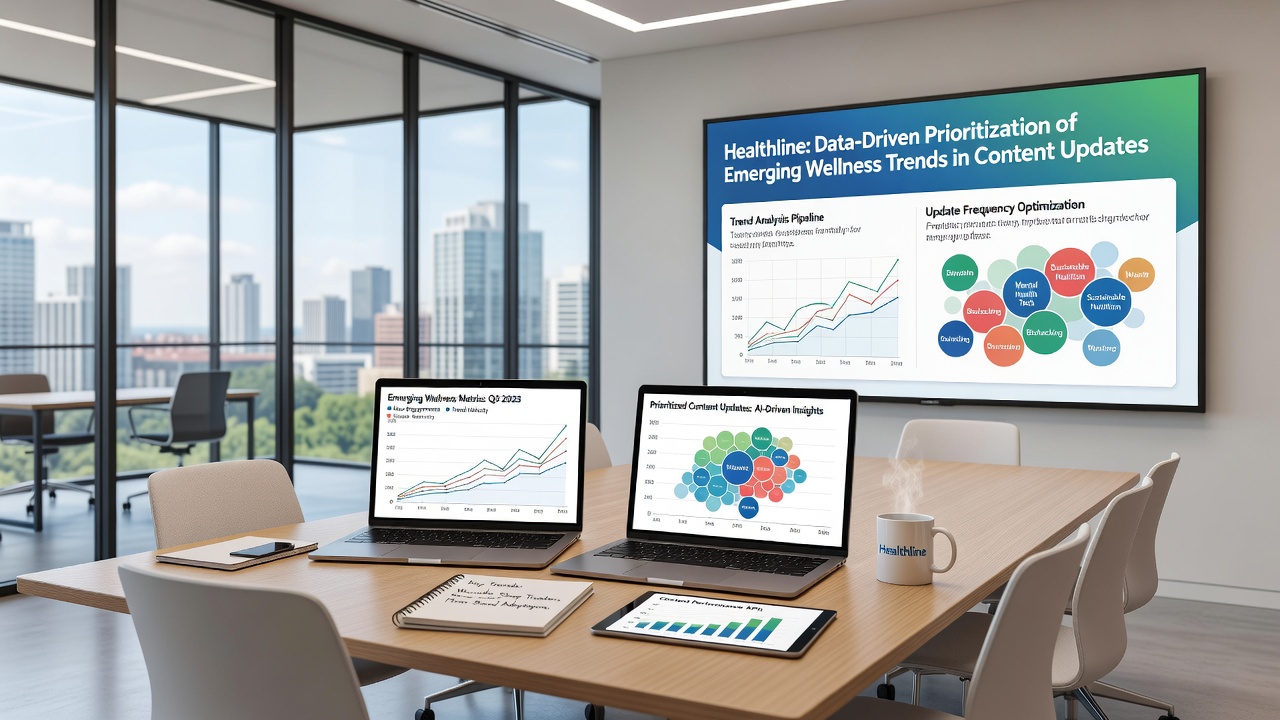
Post-publication analytics track dwell time, scroll depth, and return visits for each refreshed article, feeding back into the scoring model for future cycles. High-performing pieces on topics such as circadian rhythm alignment receive further expansion, whereas lower-engagement items prompt reevaluation of framing or keyword integration. Data from late 2026 cycles reveals that articles incorporating real-time trend overlays consistently outperform static evergreen content by measurable margins in user retention metrics.
Platform engineers continue refining natural language processing filters that flag emerging terminology before it peaks in mainstream queries, giving editorial teams a head start on coverage. This anticipatory layer complements reactive analysis and supports consistent freshness across the wellness vertical.
Conclusion
Healthline's approach demonstrates a closed-loop system where data ingestion, validation against authoritative sources, and performance feedback converge to shape content roadmaps. The October 2026 activity patterns underscore how such mechanisms allow timely response to shifting public interest while anchoring updates in verifiable external evidence streams. Continued iteration of these processes positions the platform to address evolving wellness inquiries with structured, evidence-linked resources.